
Get Residential Air Testing in Cedar Hill, TX
Residential air testing services identify indoor air quality issues, such as mold, allergens, or pollutants, for property owners in Cedar Hill, TX, and nearby areas.
Residential air testing services are an important consideration for property owners in Cedar Hill, TX who want to ensure their homes provide a safe and comfortable environment. These tests help identify issues such as mold, allergens, or airborne pollutants that can affect indoor air quality, contributing to healthier living spaces and peace of mind. By detecting potential problems early, homeowners can address concerns before they develop into more significant issues, supporting the long-term functionality and durability of their homes.
Engaging professional air testing can also enhance a home's overall appeal by maintaining a fresh, clean indoor atmosphere. Reduced airborne contaminants can lead to less dust buildup and lower maintenance needs, saving time and effort for homeowners. Additionally, ensuring optimal indoor air quality can improve comfort levels, making daily living more enjoyable while preserving the home's structural integrity and curb appeal over time.
- Residential Air Testing services are recommended when homeowners suspect indoor air quality issues due to pollutants or allergens.
- Air quality assessments are useful after remodeling projects to ensure no residual contaminants remain in the home.
- Leak detection testing can identify unintended air leaks that may be affecting energy efficiency and indoor comfort.
- Indoor air quality testing is advised when residents experience unexplained health symptoms or persistent odors inside Cedar Hill, TX homes.
- Ventilation system evaluations help determine if existing systems are adequately exchanging indoor air for fresh outdoor air.
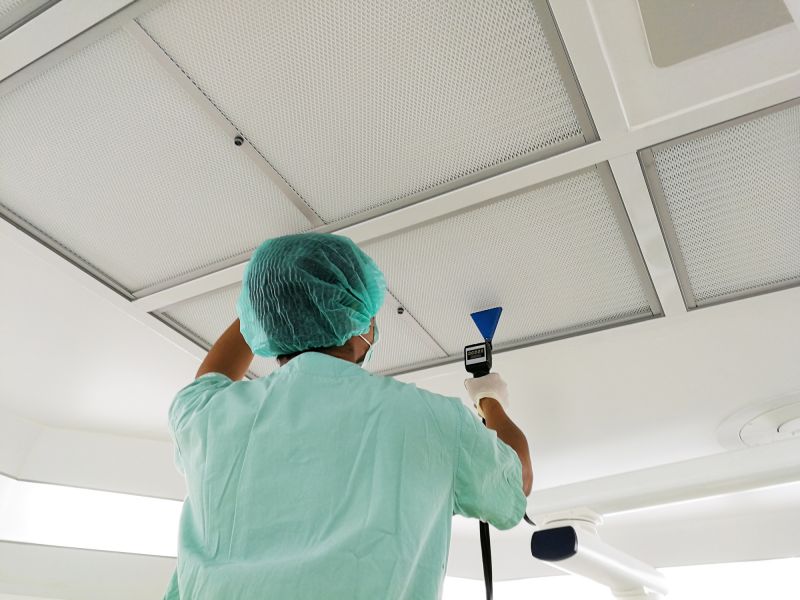

Residential air testing services involve assessing the quality of the air within a home to identify potential issues such as airborne contaminants, mold spores, or volatile organic compounds (VOCs). These services typically include collecting air samples from various parts of a property and analyzing them to detect pollutants that may not be visible or detectable through simple observation. The goal is to provide homeowners with detailed information about indoor air quality, helping them understand if their living environment meets health and safety standards.
This service is particularly valuable in addressing problems related to indoor air quality concerns, such as unexplained allergies, respiratory issues, or persistent odors. It can help identify sources of indoor pollution, including mold growth, dust, or chemical emissions from household products. By pinpointing specific contaminants, residential air testing supports targeted remediation efforts, ensuring that issues are effectively resolved and indoor environments are healthier and safer for occupants.
Properties that commonly utilize air testing services include older homes with potential mold issues, newly constructed residences where off-gassing from building materials may occur, and homes where residents experience ongoing health symptoms linked to indoor air quality. Additionally, properties that have experienced water damage, flooding, or renovations often benefit from air testing to confirm the absence of lingering pollutants. These services are suitable for any residential property where indoor air concerns are suspected or where proactive assessments are desired.
Engaging professional air testing services provides homeowners with expert insights into their indoor environments. Local service providers can perform comprehensive assessments, analyze samples, and offer recommendations for improving air quality. This can be an essential step in maintaining a healthy living space, especially in properties prone to moisture issues, chemical exposure, or mold growth. Contacting local specialists ensures that any indoor air quality concerns are thoroughly evaluated and addressed with appropriate solutions.
The overview below groups typical Residential Air Testing projects into broad ranges so you can see how smaller, mid-sized, and larger jobs often compare in Cedar Hill, TX.
In many markets, a large share of routine jobs stays in the lower and middle ranges, while only a smaller percentage of projects moves into the highest bands when the work is more complex or site conditions are harder than average.
Initial Testing Cost - The cost for basic residential air testing typically ranges from $150 to $400, depending on the size of the property and the complexity of the testing required. For example, a standard single-family home in Cedar Hill, TX may fall within this range.
Comprehensive Testing Services - More detailed air quality assessments, including multiple tests and analysis, can cost between $400 and $1,000. Larger homes or properties with specific concerns may incur higher expenses within this range.
Additional Testing Fees - Extra charges may apply for specialized testing, such as mold or allergen detection, which can add $100 to $300 to the overall cost. These tests often require advanced equipment and analysis by local service providers.
Estimate Variability - Costs for residential air testing services vary based on location, property size, and testing scope. It's common for prices to fluctuate, so contacting local pros for precise quotes is recommended.
Actual totals will depend on details like access to the work area, the scope of the project, and the materials selected, so use these as general starting points rather than exact figures.
Residential Air Testing services help identify indoor air quality issues by detecting contaminants and pollutants that may affect health and comfort.
HVAC System Testing involves evaluating ductwork and ventilation systems to ensure proper airflow and identify potential sources of air quality problems.
Moisture and Mold Testing services detect hidden mold growth and excess moisture that can compromise indoor air quality and building integrity.
Air Quality Assessment provides a comprehensive analysis of indoor environments to identify allergens, volatile organic compounds, and other airborne contaminants.
Ventilation System Evaluation services assess the effectiveness of ventilation systems in maintaining healthy indoor air levels and reducing pollutants.
Carbon Monoxide Testing helps detect dangerous levels of carbon monoxide that may be present in residential spaces, ensuring safety and air purity.
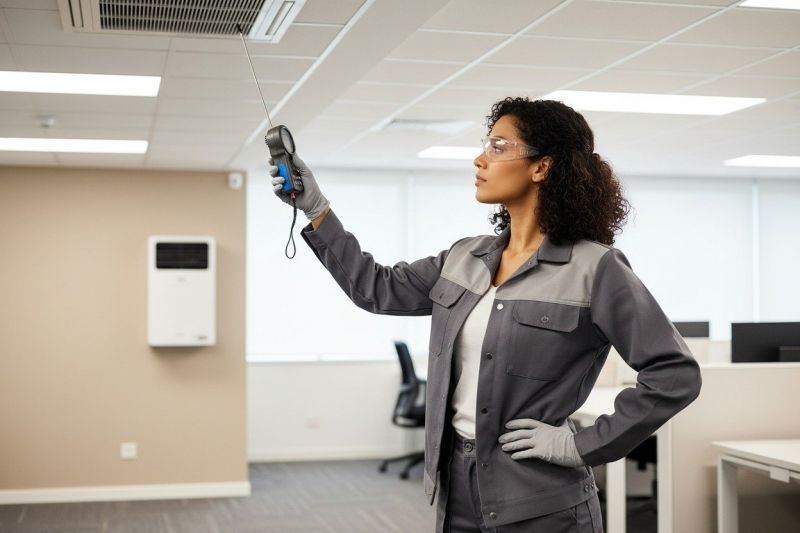
When selecting local professionals for residential air testing services, it’s important to consider their experience in the field. Experienced providers typically have a thorough understanding of various testing methods and can accurately identify potential issues within a home. Homeowners should look for service providers who can clearly articulate their testing procedures and what homeowners can expect during the process, ensuring transparency and understanding from the outset.
Reputable air testing professionals often have a history of positive references from previous clients in the community. These references can offer insights into the reliability, professionalism, and quality of the services provided. Homeowners are encouraged to seek out local pros who can provide verifiable references and demonstrate a consistent track record of delivering accurate testing results and professional service.
Effective communication is a key factor when working with local air testing providers. Clear, prompt, and informative interactions help ensure that homeowners fully understand the testing process, results, and any recommended next steps. It’s beneficial to choose service providers who are responsive and willing to answer questions, fostering a smoother experience and confidence in the testing process.
Property owners in Cedar Hill, TX use Residential Air Testing services for practical projects around their homes and businesses. The sections below highlight everyday jobs and straightforward project options.

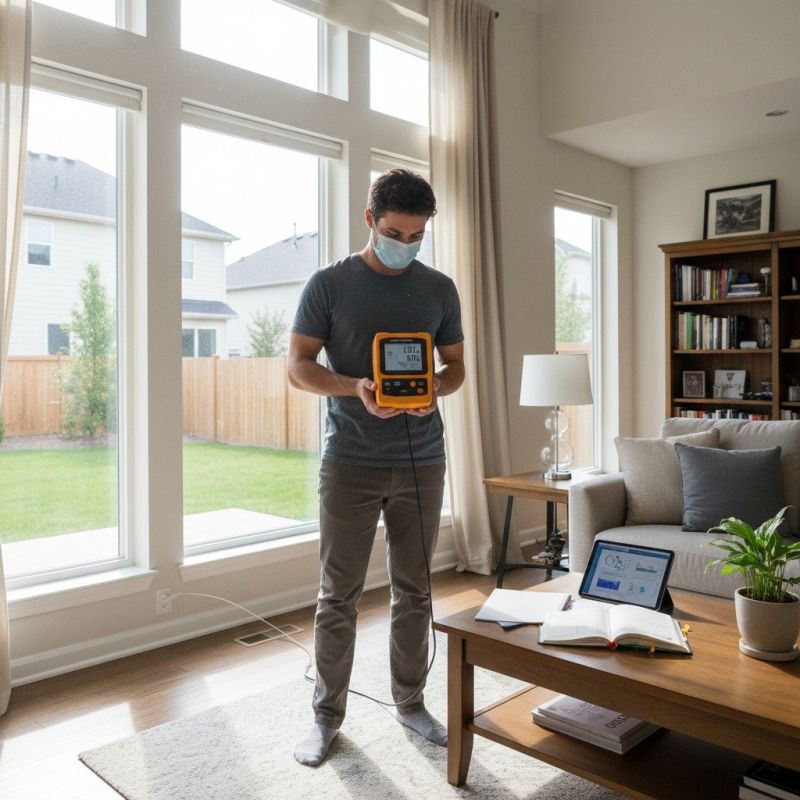
Residential air testing services are often sought by property owners in Cedar Hill, TX, who want to ensure the air quality within their homes is safe and healthy. Common situations include detecting the presence of mold, allergens, or airborne pollutants that could be affecting residents’ well-being. Homeowners may also pursue testing when experiencing unexplained symptoms, such as allergies or respiratory issues, or after renovations to identify potential indoor air contaminants that might have been introduced during the process.
Additionally, property owners might consider air testing when preparing to sell a home or after discovering signs of moisture problems, such as water stains or musty odors. These services can help identify underlying issues that could impact the property’s value or lead to future damage. Local professionals can provide insights and solutions to improve indoor air conditions, making the home safer and more comfortable for everyone.
What is residential air testing? Residential air testing involves evaluating the air quality inside a home to identify potential issues such as pollutants, mold, or allergens. Local service providers can perform these assessments to help homeowners understand their indoor air environment.
Why should homeowners consider air testing? Homeowners may consider air testing to detect indoor contaminants, improve air quality, or address health concerns related to indoor air pollution. Local professionals can provide insights based on testing results.
How is residential air testing conducted? Testing typically involves using specialized equipment to measure air quality parameters within the home. Local service providers carry out these procedures to gather accurate data for analysis.
What issues can air testing identify? Air testing can reveal the presence of mold spores, volatile organic compounds (VOCs), allergens, or other airborne pollutants that may affect indoor air quality.
How can homeowners find local air testing services? Homeowners can contact local contractors or service providers specializing in indoor air quality assessments to schedule testing and receive professional evaluations.
Indoor Air Quality Testing - Professionals can assess the air quality inside residential properties to identify potential contaminants and ensure a healthy living environment.
Mold and Mildew Detection - Local service providers offer testing to detect mold or mildew growth that may affect indoor air quality and building integrity.
Radon Testing Services - Experts can perform radon testing to measure levels and help homeowners address potential health risks associated with radon exposure.
Ventilation System Evaluation - Specialists evaluate existing ventilation systems to improve airflow and reduce indoor air pollutants effectively.
Considering Residential Air Testing for a property in Cedar Hill, TX? The sections above highlight common project types, practical options, and details that often shape the scope of work.
When you are ready, use the quote form to share a few details about your project. Local pros can review the basics and respond with options that match what you have in mind.